The Invisible Canvas: Mastering the Art of Clarity and Structure in Modern Automotive Glass

When we think of automotive beauty, our minds often drift to the sweeping curves of the bodywork or the intricate stitching of a leather interior. However, there is a silent, transparent component that defines the driving experience more than almost any other: the glass. Maintaining this “invisible canvas” requires a level of detail that borders on the artistic. Limitless Auto Glass Texas understands that a windshield is not just a safety barrier but a lens through which the world is viewed, demanding a blend of technical expertise and aesthetic care that mirrors the work of a dedicated restorer.
The Aesthetics of Transparency and Light
In the world of fine art, the quality of the glass used in a frame can make or break the presentation of a painting. Non-reflective, museum-quality glass is used to ensure that the viewer sees the colors as the artist intended. A vehicle operates under a similar principle. Over time, road debris, environmental pollutants, and micro-scratches dull the “finish” of your windshield.
When a professional technician approaches a glass replacement, they are essentially performing a high-stakes restoration. They must ensure that the new piece of glass is free of optical distortions that could mar the visual experience of the road. This focus on visual clarity is the foundation of automotive safety, allowing the driver to interpret the world with the same precision an artist uses to study a subject.
Structural Integrity as Sculptural Form
Beyond the visual, there is a structural art to how a windshield integrates with a car. Modern vehicles rely on the glass to provide up to 60 percent of the structural integrity during a rollover accident. This makes the installation process a feat of engineering and sculpture.
The application of high-modulus urethane, the exact positioning of the glass, and the careful curing process are all reminiscent of a sculptor ensuring that a heavy medium is perfectly balanced and bonded. If the “form” is not perfect, the function fails. A master technician treats the frame of the car like a gallery wall, prepping the surface to ensure that the bond is seamless and permanent, maintaining the vehicle’s original silhouette and safety profile.
The Precision of Modern Technology
Today’s vehicles are more than just mechanical machines; they are canvases for advanced technology. With the rise of Advanced Driver Assistance Systems (ADAS), the glass has become a literal housing for “eyes” like cameras and sensors. This is where the art of calibration comes into play.
Just as a photographer must calibrate their lens to capture a sharp image, a technician must align the vehicle’s safety sensors with the new glass. This requires a meticulous touch and a deep understanding of the digital layers within the car. A minor misalignment can disrupt the harmony of the vehicle’s safety systems, much like a single misplaced brushstroke can alter the expression on a painted face.
Preservation of the Driving Experience
Ultimately, the goal of specialized glass service is preservation. Whether you are driving a luxury sedan or a rugged truck, the glass is your primary interface with the environment. By choosing a service that prioritizes OEM-equivalent materials and expert craftsmanship, you are investing in the longevity of your vehicle’s “artistry.”
Restoring a cracked or pitted windshield is an act of renewal. It removes the “noise” of damage and replaces it with the “silence” of a perfect, clear view. When the job is done correctly, the glass becomes invisible once again, allowing the true beauty of the journey to take center stage. Through the hands of skilled professionals, the simple act of glass replacement becomes a vital contribution to the art of the drive.

 Latin America is home to over 20 countries, each with its blend of history, traditions, and languages, yet united by a shared love for vibrant color, rhythm, and expression. Spanish is spoken widely across the region, and learning it opens the door to understanding much more than just grammar and vocabulary — it opens the door to culture itself.
 Colorbond metal roofing has revolutionized modern architecture. Its versatility and range of colors allow architects to incorporate aesthetic and functional elements into their designs. The material has become a staple in many iconic structures, blending seamlessly with various architectural styles while providing unmatched durability and sustainability.
 Farms are not just places for cultivating crops and raising livestock; they are vibrant landscapes brimming with inspiration. Thrive Farm has taken this concept to heart, using its official website to spark a creative movement that blends agriculture and art. This digital platform is a beacon for artists and enthusiasts, showcasing how sustainable farming can become a powerful muse for creativity.
 The artistry of Chinese dresses lies in their impeccable craftsmanship. From the silk robes of the Tang Dynasty to the elegant qipao popularized during the 20th century, these garments are steeped in cultural significance. Their designs often feature motifs such as dragons, phoenixes, and lotus flowers, each symbolizing virtues like power, grace, and purity.
 Parents in search of a math tutor in Charlotte look for a licensed teacher with notable experience and reputation in guiding students through mathematical processes. Math tutoring is about giving guidance on how to analyze and solve math problems. The help that tutors provide to students is in the form of guidance that will deepen a child’s understanding of math concepts and principles.
 Byantine mosaics for one, are the most historically significant art forms that art historians continue to study extensively. They are the perfect examples of how repeating patterns and geometrical shapes can make visually appealing structures. Mosaic, being a colourful assembly of stones, glass, mother of pearl and other fragile materials adorn the floors and walls of Byzantine structures. Despite the fragile nature of mosaic art, they were able to withstand the tests of time which indicates the involvement of correct mathematical calculations.




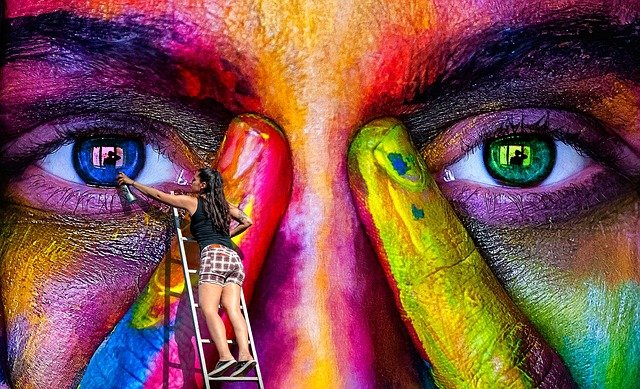

 One of the good challenges today is that we frequently feel untouched by the issues of others and by global issues like temperature change, even once we could easily do something to assist. We don’t feel strongly enough that we are a part of a worldwide community, a part of a bigger we. Giving people access to data most frequently leaves them feeling overwhelmed and disconnected, not empowered and poised for action. this can be where art can make a difference. Art doesn’t show people what to try and do, yet engaging with a decent work of art can connect you to your senses, body, and mind. It can make the globe feel.

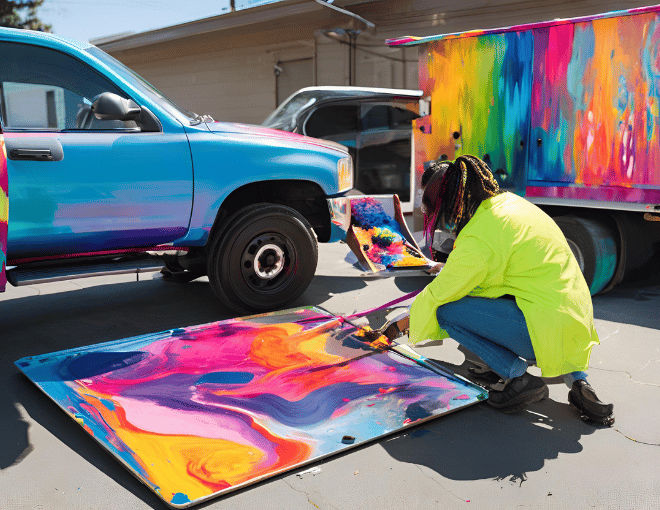
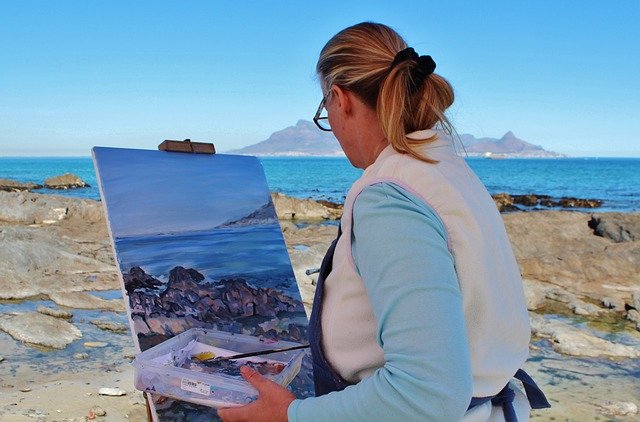

 Were you aware that artwork has a whole great deal more advantages on your mind? There is a reason artworks hanged and are exhibited in every location integral to a life–your office, your houses spaces, as well as even hospitals.

 Tourists can unwind, eat, and watch movies in heated rooms in Korea. These rooms are called as Jjimjilbang. The health spas here are very traditional in Korea. These health centers have therapeutic pools (both hot and cold), steam caves with herbs added to them, saunas heated by kiln fire, and common rooms where people can hang out. The main goals of these hubs are to relax and clean up, but each spot was also carefully chosen to make you feel calm.

 Large-scale murals are a common choice since they let artists convey stories, catch the essence of horses, or just produce aesthetically breathtaking pieces of art.
 When you think of art, what comes to mind? Probably a pristine canvas, a carefully sculpted statue, or a colorful mural on a city wall. But behind many of the most innovative and thought-provoking art installations today lies a much more humble, often overlooked source of inspiration: waste.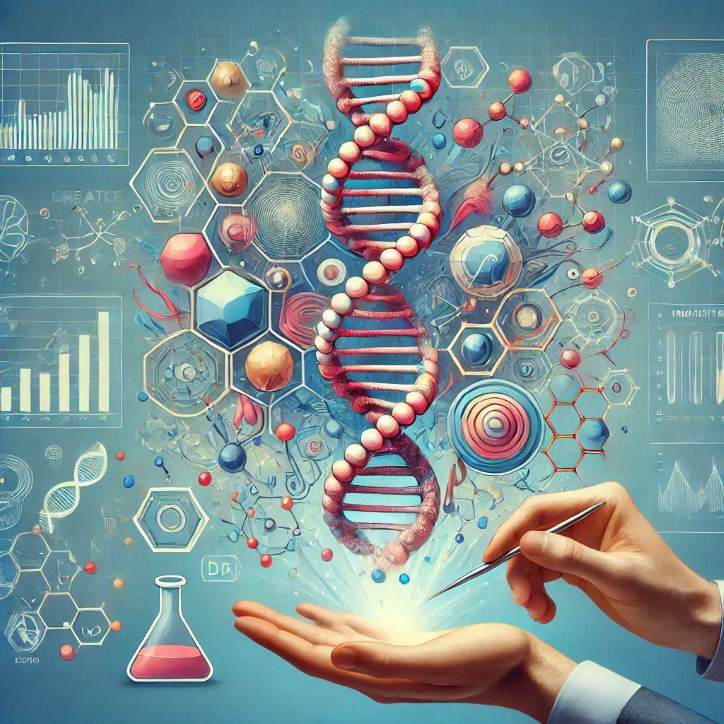
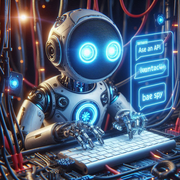 Being a universal communication technology, SMS is a good approach to get a larger audience. SMS APIs guarantee messages reach persons from many demographics, including those with restricted internet connection. Artists can use SMS to contact audiences abroad, therefore promoting worldwide appreciation of their art.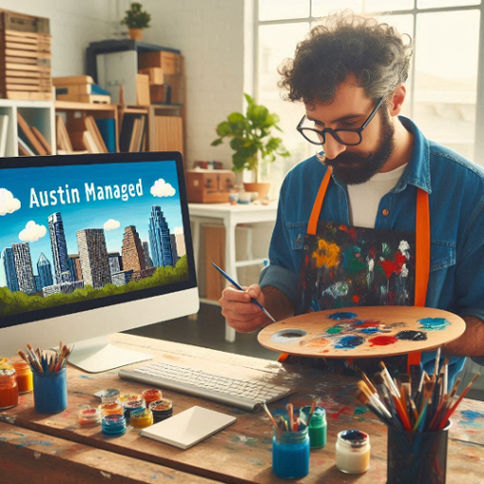
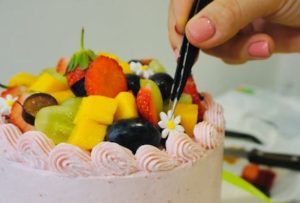 Cake decorating has come a long way from simple buttercream swirls and piped flowers. Today, it’s an art form that merges creativity with culinary skills, and one tool that’s gaining popularity in this sweet domain is the nang. This handy device, often associated with whipping cream, is revolutionizing