Discovering Latin American Culture Through Language and Art on Immersion Trips
 Latin America is home to over 20 countries, each with its blend of history, traditions, and languages, yet united by a shared love for vibrant color, rhythm, and expression. Spanish is spoken widely across the region, and learning it opens the door to understanding much more than just grammar and vocabulary — it opens the door to culture itself.
Language immersion is one of the most effective ways to learn Spanish, but the experience becomes truly unforgettable when it’s paired with exposure to local art, crafts, and architecture. Programs like international language immersion through Common Ground International take this idea a step further by blending structured learning with cultural discovery. These trips don’t just teach how to speak Spanish — they help travelers live it.
Learning Beyond the Classroom
What makes immersion trips different from regular language classes? It’s the setting. Instead of textbooks and whiteboards, students are surrounded by native speakers, real-life scenarios, and the rich sights and sounds of Latin American life. Ordering food at a local market, chatting with artists in their studios, or listening to a guide explain ancient ruins — all of it becomes part of the learning process.
Art plays a major role here. From massive murals in Mexico City to the handmade ceramics of Colombia, every region tells its story through its art. Travelers learn vocabulary by describing colors and shapes, practicing conversations while visiting galleries, and discussing themes that emerge in local paintings and sculptures. Language and art support each other, reinforcing both memory and meaning.
Visual Arts as Cultural Gateways
Latin American visual arts are more than just decoration — they reflect deep social and political themes. Murals, for example, have long been used in countries like Mexico and Nicaragua to communicate resistance, pride, and identity. These works are often massive, colorful, and highly expressive, offering learners a powerful way to engage with vocabulary related to emotions, actions, and storytelling. It also highlights how art education supports personal growth, helping learners build empathy and cultural understanding through creativity.
Art also teaches history. Students can trace the evolution of Spanish influence on indigenous art, observe how colonial architecture adapted native designs, or explore how modern artists blend old and new ideas. Through every interaction, language comes alive, helping learners connect words to personal, emotional experiences.
Crafts and Hands-On Language Practice
Handicrafts offer a more intimate connection to local culture. Whether it’s weaving in Peru, pottery in Guatemala, or silverwork in Bolivia, these traditions are often passed down through generations. Participating in a hands-on workshop allows learners to practice action verbs, engage in friendly conversations, and gain insight into the community’s values.
Describing steps, asking questions, and receiving instructions — all of these push learners to speak and understand in real time. These interactions, while casual, are deeply educational. They also help build confidence, as learners move from classroom phrases to real, useful conversations.
Architecture as a Language Experience
Latin American architecture is a visual textbook. From the colonial charm of Cartagena to the colorful homes of Valparaíso, there is so much to explore. Walking tours become language labs where learners discuss shapes, sizes, materials, and historical facts — all in Spanish. Guides encourage questions, provide context, and explain how cities evolved, making it easier to learn through context instead of memorization.
Architecture also creates a sense of place. Standing beneath the towering pyramids of Teotihuacán or strolling through the cobbled streets of Cusco adds weight to every Spanish word used to describe the surroundings. These moments stay with learners, helping them retain both the language and the memories associated with it.
Why Language and Art Work So Well Together
Language is more than a skill — it’s a tool for connection. Art is the bridge that makes those connections deeper and more emotional. By exploring Latin American culture through both language and art, immersion travelers don’t just become better speakers. They become better listeners, observers, and cultural ambassadors.
Trips like these show that learning Spanish is not just about getting the grammar right. It’s about understanding why people paint the way they do, build the way they do, and speak the way they do. And when all those things come together, they create something far more valuable than a textbook could ever offer: a lasting bond with a new culture.
Conclusion
Immersion experiences that combine language learning with art and architecture create richer, more engaging journeys. They push learners out of the classroom and into the heart of the culture itself. Whether you’re sitting in a plaza sketching, bargaining for handmade crafts, or asking a guide about a centuries-old cathedral, you’re not just learning Spanish. You’re living it.
 Colorbond metal roofing has revolutionized modern architecture. Its versatility and range of colors allow architects to incorporate aesthetic and functional elements into their designs. The material has become a staple in many iconic structures, blending seamlessly with various architectural styles while providing unmatched durability and sustainability.

 Farms are not just places for cultivating crops and raising livestock; they are vibrant landscapes brimming with inspiration. Thrive Farm has taken this concept to heart, using its official website to spark a creative movement that blends agriculture and art. This digital platform is a beacon for artists and enthusiasts, showcasing how sustainable farming can become a powerful muse for creativity.
 Parents in search of a math tutor in Charlotte look for a licensed teacher with notable experience and reputation in guiding students through mathematical processes. Math tutoring is about giving guidance on how to analyze and solve math problems. The help that tutors provide to students is in the form of guidance that will deepen a child’s understanding of math concepts and principles.
 Byantine mosaics for one, are the most historically significant art forms that art historians continue to study extensively. They are the perfect examples of how repeating patterns and geometrical shapes can make visually appealing structures. Mosaic, being a colourful assembly of stones, glass, mother of pearl and other fragile materials adorn the floors and walls of Byzantine structures. Despite the fragile nature of mosaic art, they were able to withstand the tests of time which indicates the involvement of correct mathematical calculations.



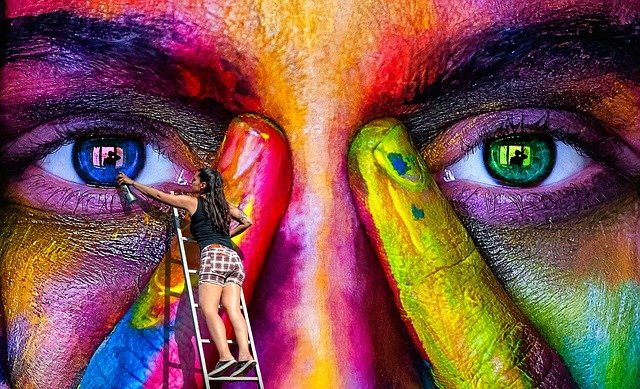

 One of the good challenges today is that we frequently feel untouched by the issues of others and by global issues like temperature change, even once we could easily do something to assist. We don’t feel strongly enough that we are a part of a worldwide community, a part of a bigger we. Giving people access to data most frequently leaves them feeling overwhelmed and disconnected, not empowered and poised for action. this can be where art can make a difference. Art doesn’t show people what to try and do, yet engaging with a decent work of art can connect you to your senses, body, and mind. It can make the globe feel.


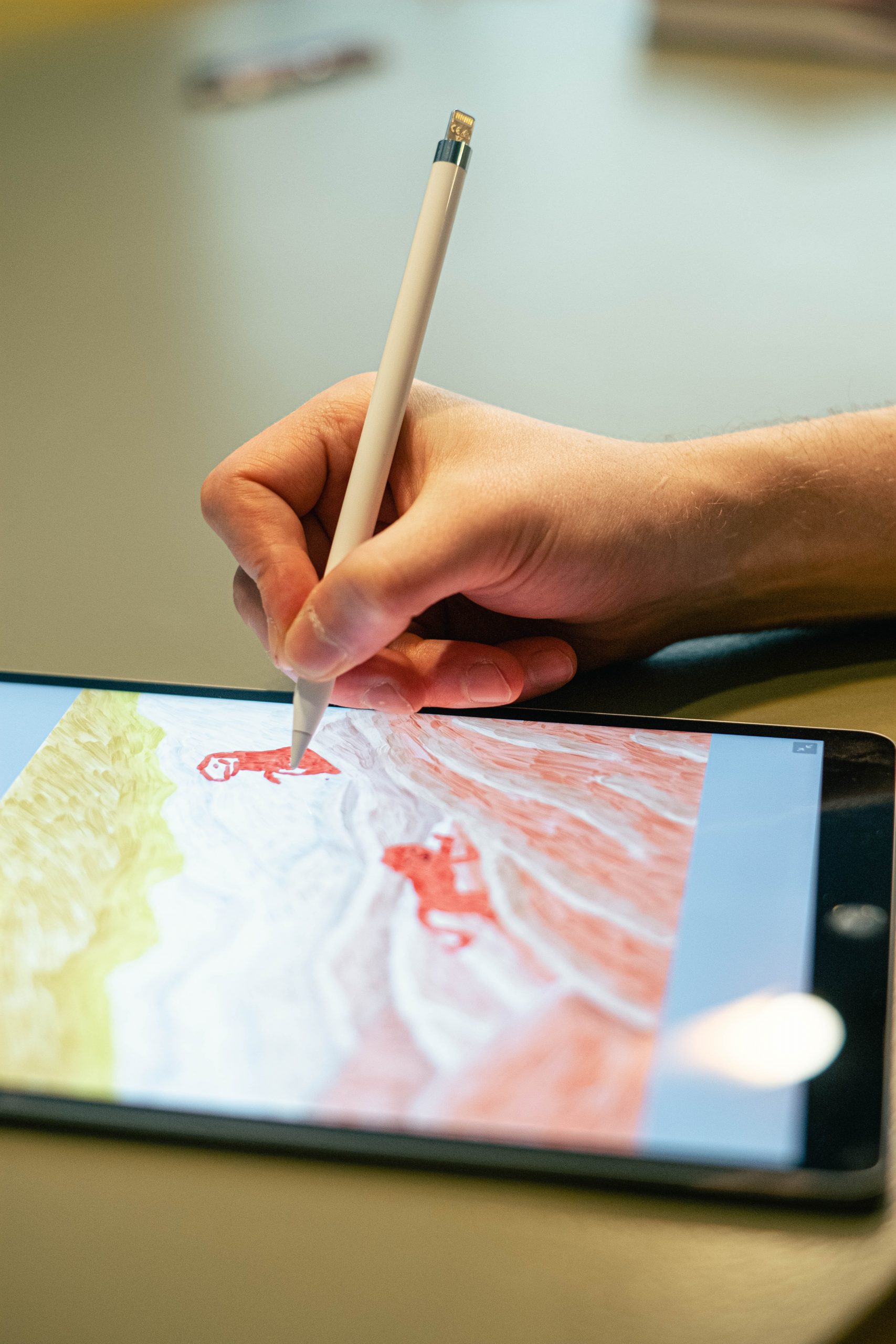
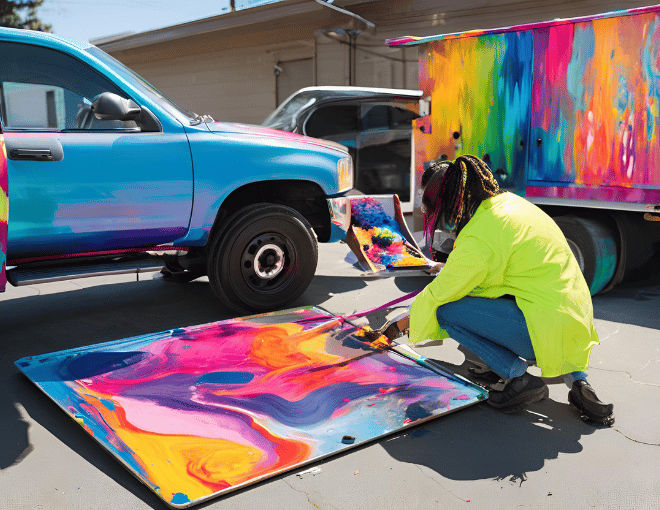
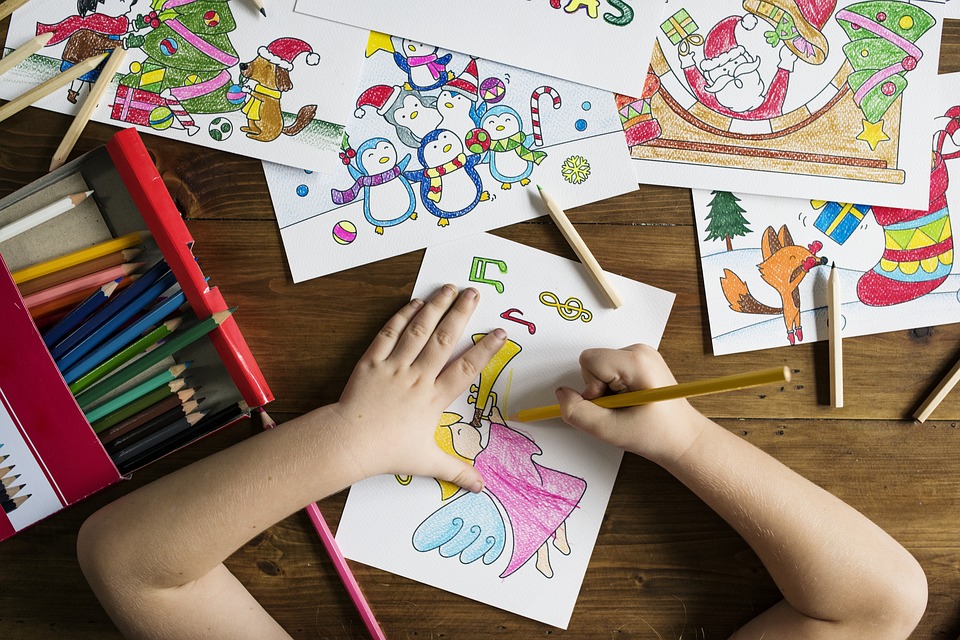
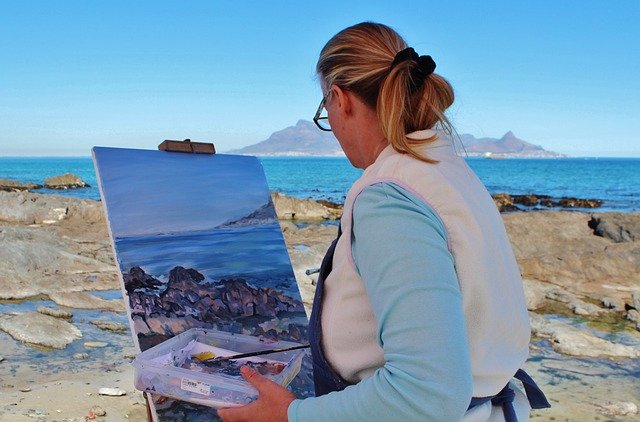

 Were you aware that artwork has a whole great deal more advantages on your mind? There is a reason artworks hanged and are exhibited in every location integral to a life–your office, your houses spaces, as well as even hospitals.



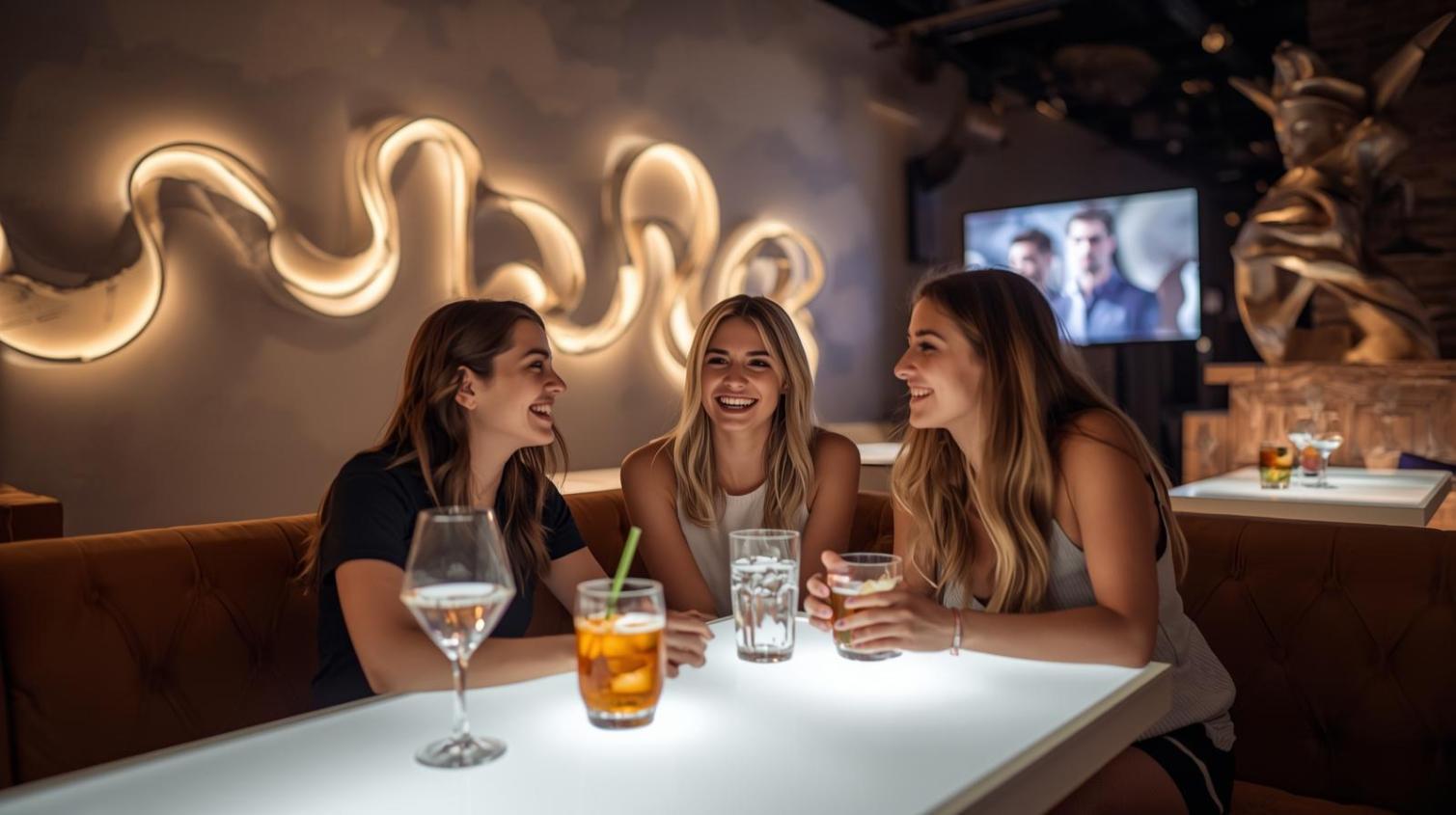
 Tourists can unwind, eat, and watch movies in heated rooms in Korea. These rooms are called as Jjimjilbang. The health spas here are very traditional in Korea. These health centers have therapeutic pools (both hot and cold), steam caves with herbs added to them, saunas heated by kiln fire, and common rooms where people can hang out. The main goals of these hubs are to relax and clean up, but each spot was also carefully chosen to make you feel calm.


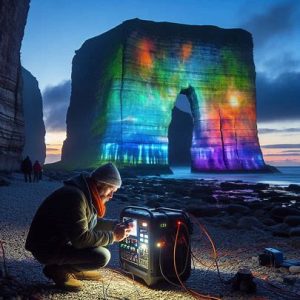
 Large-scale murals are a common choice since they let artists convey stories, catch the essence of horses, or just produce aesthetically breathtaking pieces of art.
 The artistry of Chinese dresses lies in their impeccable craftsmanship. From the silk robes of the Tang Dynasty to the elegant qipao popularized during the 20th century, these garments are steeped in cultural significance. Their designs often feature motifs such as dragons, phoenixes, and lotus flowers, each symbolizing virtues like power, grace, and purity.
 When you think of art, what comes to mind? Probably a pristine canvas, a carefully sculpted statue, or a colorful mural on a city wall. But behind many of the most innovative and thought-provoking art installations today lies a much more humble, often overlooked source of inspiration: waste.
 Being a universal communication technology, SMS is a good approach to get a larger audience. SMS APIs guarantee messages reach persons from many demographics, including those with restricted internet connection. Artists can use SMS to contact audiences abroad, therefore promoting worldwide appreciation of their art.
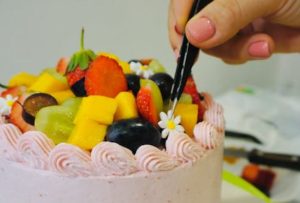 Cake decorating has come a long way from simple buttercream swirls and piped flowers. Today, it’s an art form that merges creativity with culinary skills, and one tool that’s gaining popularity in this sweet domain is the nang. This handy device, often associated with whipping cream, is revolutionizing